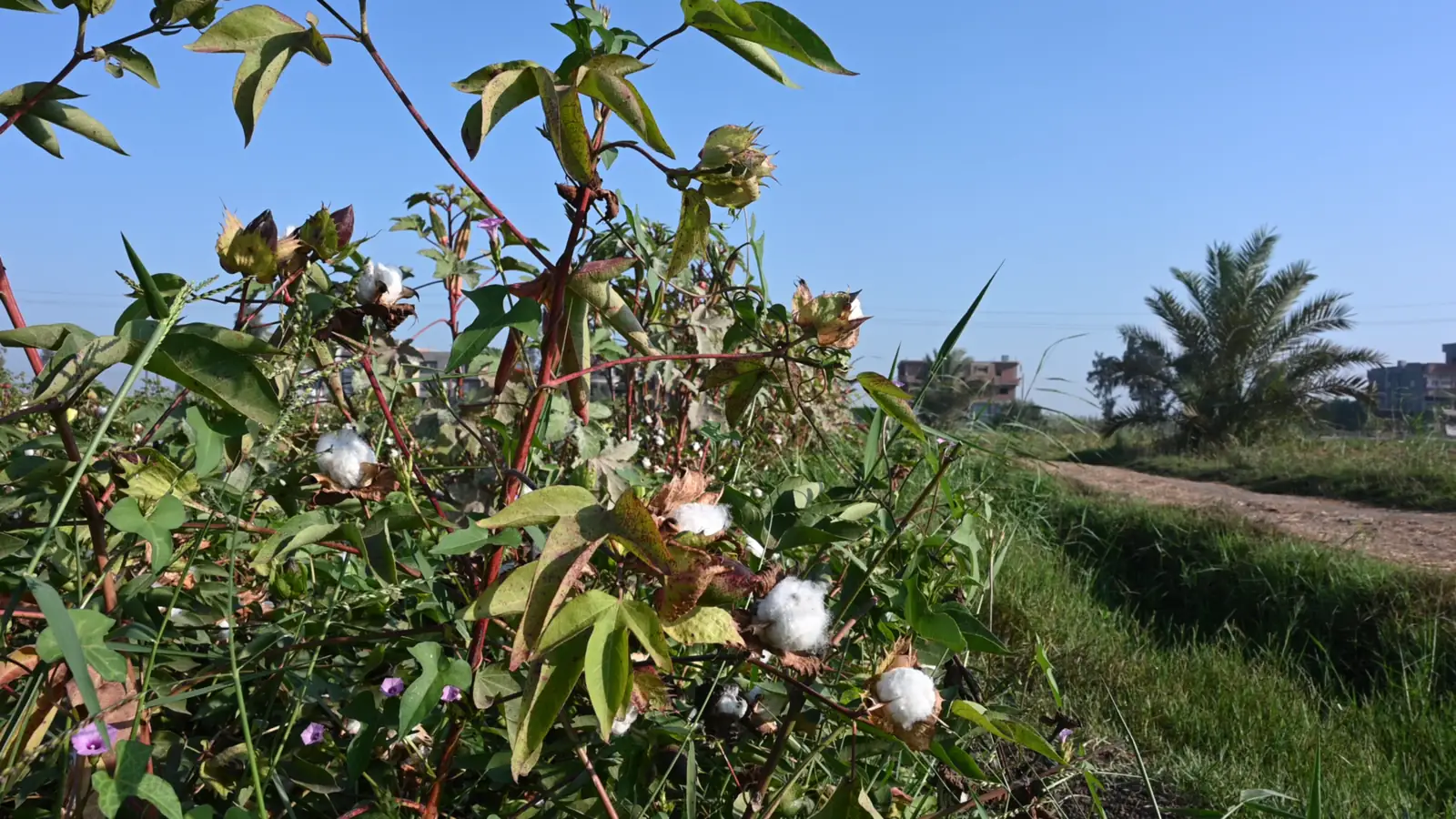
About Egyptian cotton
Egyptian cotton: origins & varieties
Why Egypt suits cotton, and the names of today’s varieties.
Why Egypt
Climate, soil and hand picking
What makes Egyptian cotton distinctive, from the land it grows in to the way it is picked.
Climate and soil
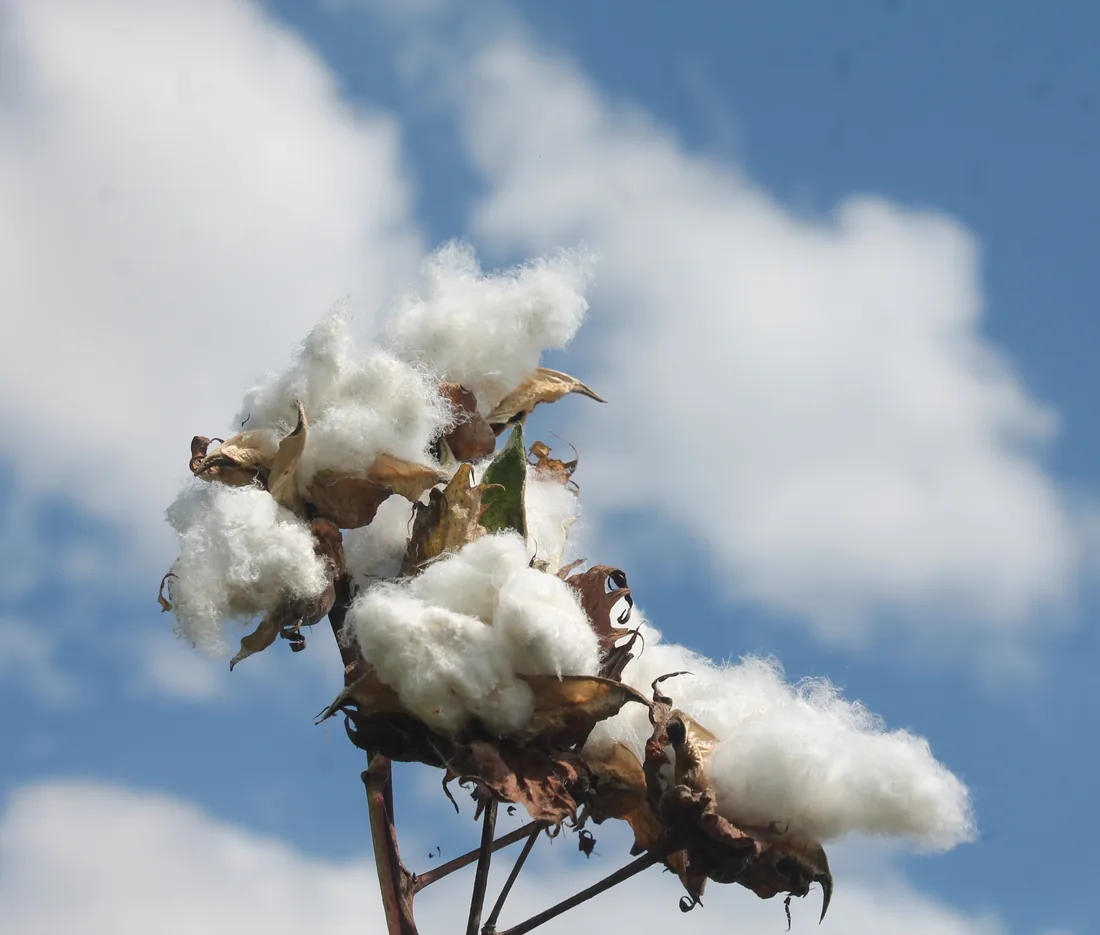
Egypt’s rich, fertile soil and warm, sunny climate create ideal conditions for growing extra-long staple cotton.
Picked by hand
Egyptian cotton bolls are picked by hand, so the extra-long fibres are not snapped or damaged, as is common in machine picking.
Extra-long and long staple
Extra length means greater strength, because there are fewer connections between the fibres.
A long history
Egyptian cotton has a rich history dating back to the 19th century.
The varieties today
Egyptian cotton varieties
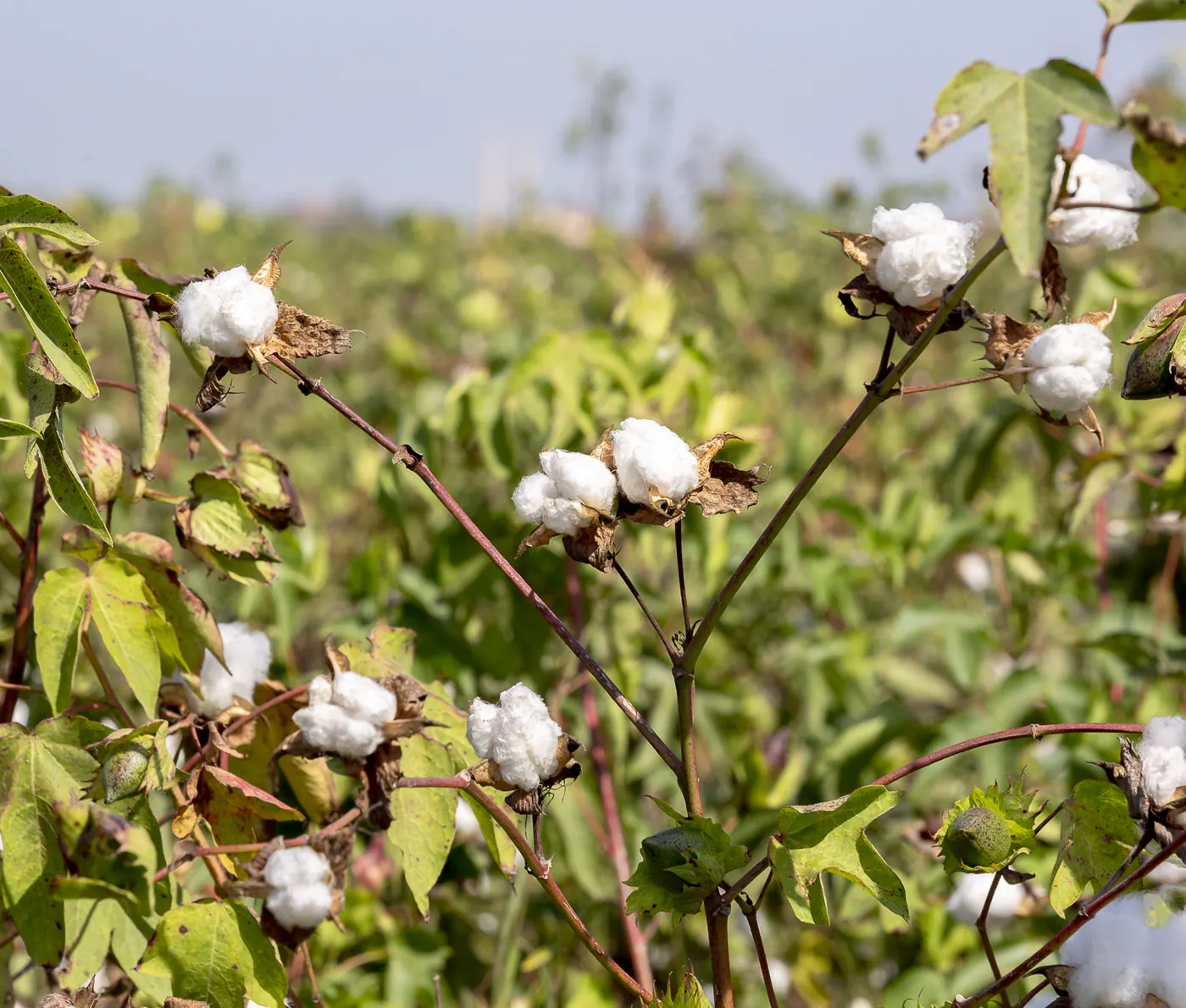
Egyptian Cotton is divided into three categories: Extra Giza, Super Giza and Giza.
| Extra Giza 45 | Extra Giza 87 | Extra Giza 96 | Extra Giza 92 | Extra Giza 93 |
| Super Giza 86 | Super Giza 94 | Super Giza 97 | ||
| Giza 95 | Giza 98 |
Keep reading